I maintain a stack of software and services that form the core of what my users use. These services enable my users the ability to securely access the services I provide anytime, anywhere there’s internet access.
CloudFlare forms the network backbone of my network and everything I run. CloudFlare Tunnel is used for secure communication between external endpoints/clients and services I host on my network ensuring fast, protected transfer of everything that comes and goes from me and to them.
CloudFlare also provides SSL and localised caching of this website, as well as data transmitted to/from my networks via CloudFlare Tunnel. This ensures that both my website and services I host is available globally and securely from the nearest CloudFlare node to a visitor or end user.
CloudFlare pages is also use to host my Plex OAuth-secured wiki resource.

NextDNS, running atop CloudFlare, is a DNS-level service that protects my networks from all kinds of security threats, blocks ads and trackers on websites and in apps as well as providing a safe internet for my devices on any network including my own. It’s used as a secondary/fallback DNS service, separate to the one that my ISP provides (more below).
Using the most popular ads & trackers blocklists, millions of malicious domains and endpoints all update and are filtered out in real-time before they ever reach a device. Proactive protection.
TrueNAS SCALE is a Network Attached Storage (NAS) Operating System that shares and protects data from modern-day threats like ransomware and malware, while providing data redundancy. TrueNAS makes it easy for users and client devices to access shared data through virtually any sharing protocol and provides containerisation via Docker (previously Kubernetes) for running my various services virtually, all on the one machine.

Plex brings together all the media that matters. Whether it’s movies, TV shows or even a personal music collection, it’ll all look beautiful alongside stellar streaming content. Enjoy Live TV & DVR, as well as a growing catalogue of great web shows, news and podcasts.
It’s finally possible to enjoy all the media you love in a single app, on any device, no matter where you are.

Overseerr is a free and open source software application for managing requests for your Plex media library. It integrates and provides users with a way to request, and monitor library content.
I run primarily prosumer-level hardware in my homelab to ensure myself and my users can access their services remotely, anytime and anywhere. My choice in hardware ensures maximum uptime and performance while providing resiliency.
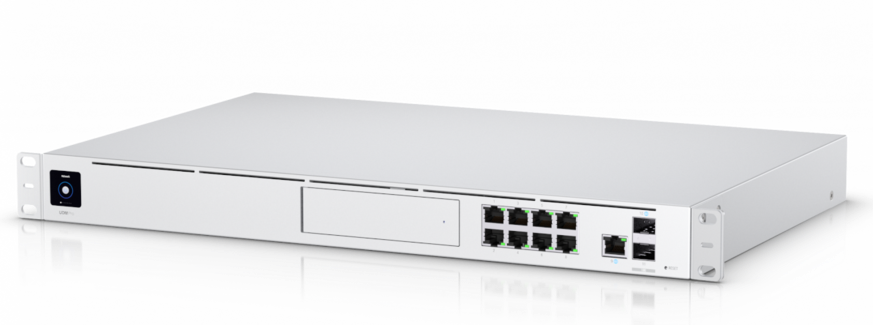
The Ubiquiti UniFi Dream Machine Pro is an ideal choice for a prosumer-level network deployment. Integrating a network controller, switch and security gateway. It seamlessly integrates multiple parts of a network into one aesthetically pleasing unit.
It also packs fast hardware with the ability to expand the network out to other devices thanks to the integrated UniFi Network Controller. These are used in conjunction with U6-Pro Access Points at my personal place.
My custom-built NAS is the central hub and beating heart of my homelab; all my services run on it thanks to TrueNAS SCALE’s virtual containers functionality. It’s a fast, efficient, quiet host to the various services my users utilise on a daily basis.
Plex & its associated services use it to access media libraries, the various devices on my network use it for backup & file sharing, and it has basically 100% uptime requirement.
For this reason, I elected to custom-build a NAS that suits my needs. Utilising a specific selection of parts, I was able to build a system that allows performance and future expandability in a footprint small and quiet enough to not be of disturbance.
Current specs include:
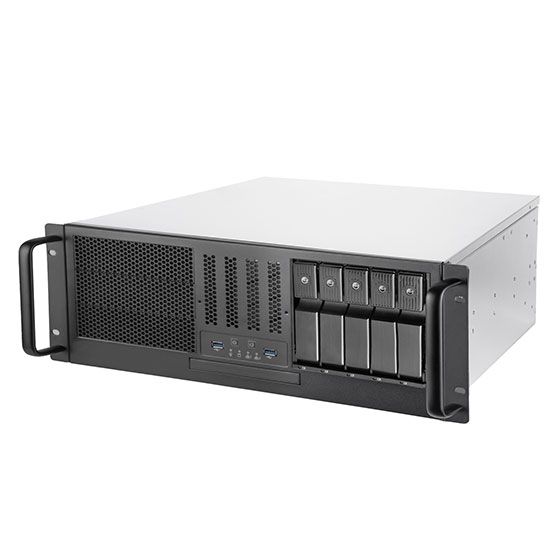
– Silverstone RM41-H08 chassis
– AsRock Rack X470D4U2-2T mATX motherboard
– AMD Ryzen 9 5950X 16c/32t CPU
– Nvidia Quadro P2000 GPU
– 64GB of DDR4 2400Mhz ECC RAM
– LSI 9305-16i SATA/SAS Host Bus Adapter PCIe card running in IT mode
– 8x WD Ultrastar HC550 16TB Enterprise HDDs
– Multiple Samsung NVMe M.2 SSDs for OS & container data storage
A recent addition to my homelab was a cluster of 4x Lenovo ThinkCentre M7xx Tiny PCs. These run varying hardware configurations and handle various tasks from hosting externally-accessed game servers to caching, CPU-based video transcoding and more.
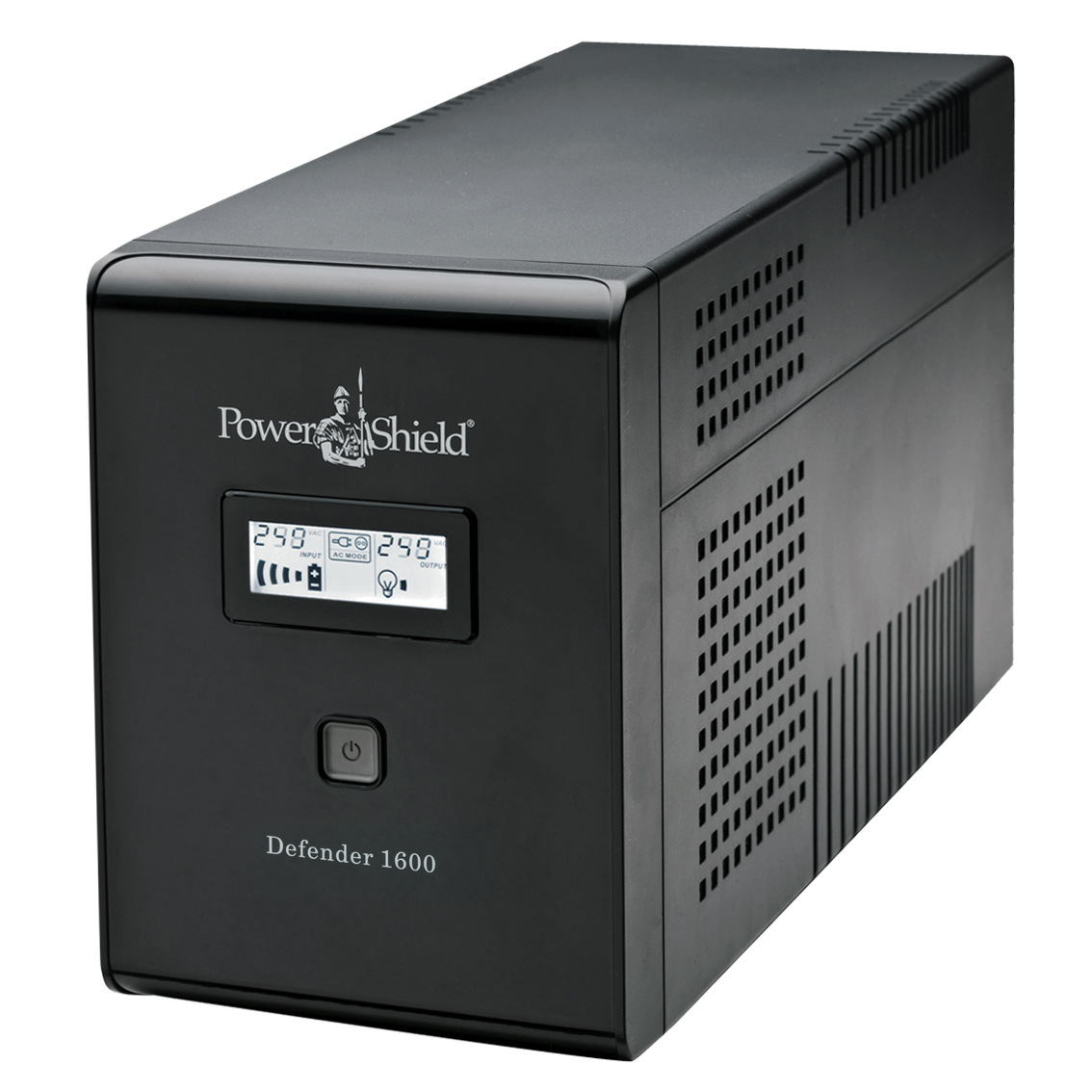
PowerShield Defender UPS’ placed around my home ensure that my homelab stays operational during power outages, and allows for graceful shutdown of homelab and network-related services and hardware when the battery reaches a low-state.
Neptune is my NBN provider of choice. They provide a blazing-fast service with optimal routing to various upstream service providers, have 100% Australian support, and rock-solid uptime. This is in addition to offering features that set them aside from other ISPs on the market such as included static IP addresses, VPN tunnels and a DNS-based ad/content filter that works at their end before anything even hits my network.
This is not a sponsorship/endorsement.
Some of the brands used in my homelab include: